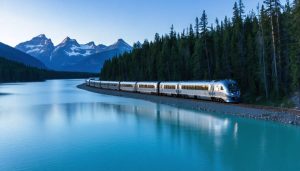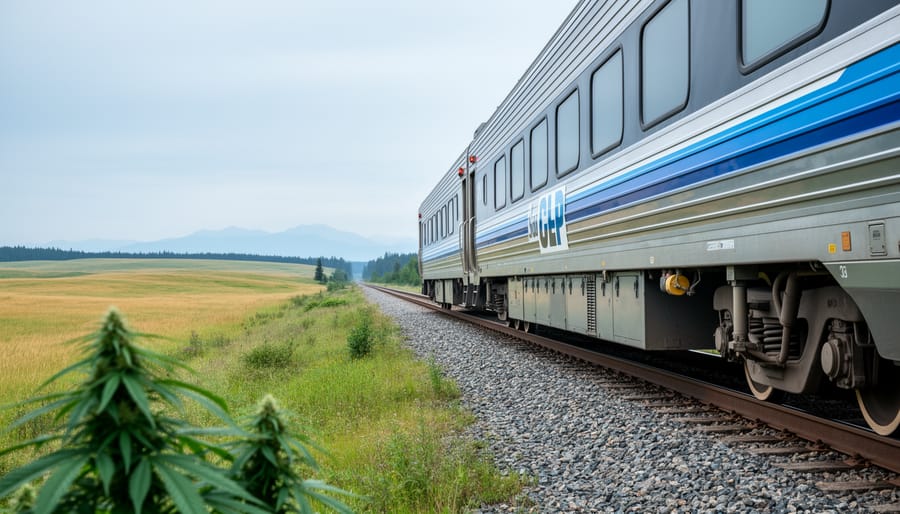
Canada’s rail network now connects travelers directly to legal cannabis facility tours, tasting rooms, and hemp-focused experiences across scenic provinces like British Columbia, Ontario, and Alberta. Planning a hemp tourism journey by train requires understanding one non-negotiable rule: cannabis cannot cross provincial or international borders, even within Canada where it’s federally legal. Instead, you’ll purchase products locally at your destination through partnerships with operators like Exhale Wellness official and regional cannabis tourism companies, visit licensed cultivation sites and processing facilities accessible from major rail stations, and enjoy curated experiences.
Key Takeaway: Cannabis remains illegal to transport across any Canadian border or between provinces on trains. However, facility tours are fully legal and increasingly available near VIA Rail and Rocky Mountaineer routes, offering exceptional access to cultivation sites, education centers, and tasting experiences without legal risk.
The beauty of train-based cannabis tourism lies in its practicality. You’re not driving impaired, you sidestep rental car restrictions around cannabis odor, and you can immerse yourself in Canada’s stunning mountain passes, prairie horizons, and coastal fjords between stops. VIA Rail’s Canadian route traverses hemp-growing regions in the prairies, while the Rocky Mountaineer passes through British Columbia’s Okanagan Valley, home to award-winning craft cannabis producers offering guided tours. Licensed lounges now operate in Vancouver, Toronto, and Montreal within walking distance of central stations.
This guide walks you through booking compliant rail journeys, identifying tour operators who meet travelers at stations, navigating consumption laws in each province, and building itineraries that blend Canada’s world-class rail scenery with responsible, legal cannabis exploration.
What You Need Before You Book Your Cannabis Rail Tour
Before you book your hemp cannabis tourism rail tour across Canada, gather the right information and documentation to ensure a smooth, compliant journey. Planning ahead saves headaches at border checkpoints, train stations, and facility tour sites, and lets you focus on the experience rather than scrambling for permits or confirmations.
Start with your identification. You’ll need government-issued photo ID (passport, driver’s license, or provincial ID) for train travel, facility tour check-ins, and any cannabis purchases at your destination. If you’re traveling with medical cannabis under a Health Canada exemption, issued only in rare and exceptional circumstances, such as palliative care, carry your exemption documentation at all times. Note that market-approved prescription drugs like Epidiolex and Sativex are permitted under a travel class exemption, but any other medical cannabis requires that individual exemption from Health Canada.
Next, compile a checklist of essential bookings and materials:
- Valid government-issued photo ID (passport or driver’s license)
- Health Canada exemption documentation, if applicable (rare and case-by-case)
- Rail booking confirmation (VIA Rail or private operator)
- Cannabis facility tour reservations with date, time, and location
- Accommodation details at each stop along your route
- Province-specific cannabis regulations for each region you’ll visit
Familiarize yourself with booking platforms. VIA Rail’s website and app let you browse routes, compare classes, and secure tickets. For cannabis facility tours, which are being designed under Canada’s Cannabis Regulations in 2026, check provincial tourism boards, licensed producer websites, and cannabis tourism operators for availability and advance booking requirements. Tours often have limited slots, so reserve early.
Download or print route maps for your chosen corridor. Knowing which cities and regions you’ll pass through helps you identify cannabis tourism hubs and plan layovers strategically. Keep a folder (digital or physical) with all confirmations, contact numbers, and a copy of provincial cannabis laws for Ontario, Quebec, British Columbia, or whichever regions you’re visiting. This preparation ensures you’re ready to navigate Canada’s diverse cannabis landscape while enjoying the country’s stunning rail network.
Critical Safety and Legal Warnings for Cannabis and Train Travel
Canada’s cannabis laws are clear: cannabis is illegal to cross the Canadian border in any amount, whether you’re entering or leaving the country. This prohibition applies to all cannabis products, flower, edibles, extracts, topicals, oils containing THC, and anything with CBD. It doesn’t matter if you purchased it legally in Canada, hold a prescription, or carry a small personal amount; the border restriction is absolute for nearly all travelers. Violating this rule can lead to criminal charges, fines, seizure of goods, and a permanent record that affects future travel.
The only legal exceptions are narrow and uncommon. Market-approved prescription drugs containing cannabis, such as Epidiolex and Sativex, are permitted under a travel class exemption and do not require additional paperwork. Any other cannabis for medical purposes requires an individual exemption issued by Health Canada, which is granted on a case-by-case basis and only in rare and exceptional circumstances, such as palliative care cases. If you believe you qualify, apply well in advance; these exemptions are not issued routinely.
Onboard the train itself, cannabis consumption is prohibited. VIA rail cannabis products are not permitted in carry-on or checked luggage unless they fall under the prescription drug exemption described above, and smoking or vaping cannabis in cabins, sleepers, or observation cars is against policy and law. Plan to experience cannabis only at your destination stops, within the province where you are touring.
Before you board your train or cross a provincial border en route to an international departure point, consume or properly dispose of all cannabis products. Do not assume that moving between provinces by rail is the same as crossing an international border, it isn’t, but if your journey ends with a flight or border crossing, you must be cannabis-free. A facility tour might offer cannabis samples or purchased products; enjoy them locally, then leave them behind. The consequences of accidental possession at a border checkpoint far outweigh the value of any souvenir.
Step-by-Step: Planning Your Hemp Cannabis Tourism Train Journey
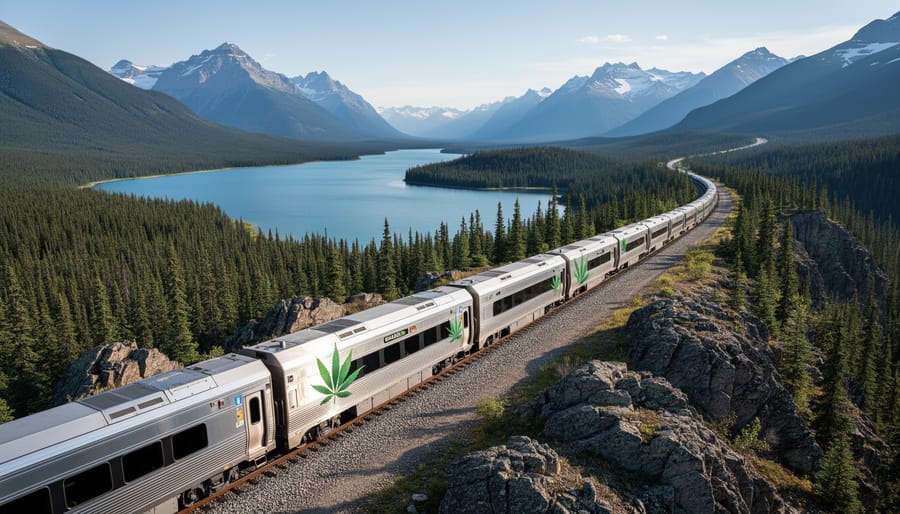
Step 1: Understand Canada’s Cannabis Border and Transport Rules
Before you book anything, get crystal-clear on Canada’s strict cannabis border laws. It is illegal to bring cannabis across the Canadian border in any form, whether you’re arriving, departing, or moving between Canada and another country. This includes all hemp-derived products, CBD oils, edibles, extracts, topicals, and even trace amounts. The rule is absolute: zero cannabis or CBD in your possession when you cross.
If you’re traveling with prescription cannabis medicine, you need a legal pathway. Market-approved drugs like Epidiolex and Sativex are allowed under a travel class exemption. Any other medical cannabis requires an individual exemption issued by Health Canada, and these are granted only in rare and exceptional circumstances, think palliative care cases. Applications are reviewed case-by-case, so apply well in advance if you believe you qualify.
The simplest approach? Leave all cannabis and CBD at home. Plan to purchase, consume, and dispose of products entirely within Canada during your stops, and never carry them when entering or exiting the country.
Step 2: Research Cannabis Facility Tours Along Rail Corridors
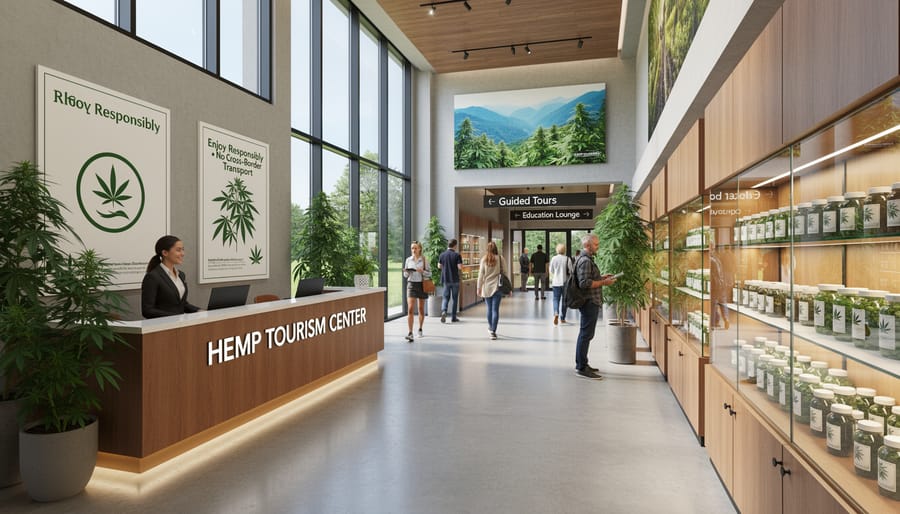
Canada’s major rail corridors now connect you to a growing network of licensed cannabis facility tours across several provinces. Start by checking which regions your train route passes through, VIA Rail’s Corridor service links Ontario and Quebec, while the Rocky Mountaineer and other western routes serve British Columbia, all provinces where cannabis tourism infrastructure is developing. Cannabis Regulations facility tours offer insider access to cultivation sites, production facilities, and hemp-derived product manufacturing operations that were previously off-limits to the public.
Search for licensed tour operators in cities served by your train route, Toronto, Vancouver, Montreal, and smaller towns near major stations increasingly offer these experiences. Look for tours that include cultivation walkthroughs, processing demonstrations, and education sessions on hemp-derived CBD products. Many facilities require advance booking due to limited tour slots and regulatory capacity restrictions.
Contact tour operators directly to confirm current availability for 2026, verify they hold valid Health Canada licensing, and clarify what you’ll see during the visit. Ask about tour duration, what documentation you need to bring, and whether the facility offers any takeaway educational materials. Remember: you’ll purchase and consume any cannabis products locally, then dispose of or consume everything before boarding your next train segment.
Step 3: Choose Your Train Route and Scenic Corridor
Canada’s transcontinental rail network connects cannabis tourism hubs across three provinces, each offering distinct landscapes and facility access. The classic Toronto to Vancouver route operated by VIA Rail traverses the Canadian Shield’s lake country, the prairies, and the Rockies over four days, with stops in Winnipeg and Jasper where cannabis facility tours operate. The reverse Vancouver to Toronto journey offers the same access points with sunrise views over the mountains.
British Columbia’s corridor between Vancouver and the interior passes through cannabis-producing regions framed by coastal rainforest and alpine peaks. Ontario’s routes link Toronto with Ottawa and Montreal, threading through Laurentian forests and along the St. Lawrence River, ideal for travelers targeting facility tours in eastern cannabis hubs. Quebec’s rail connections serve Montreal and Quebec City, where French-speaking cannabis tourism is emerging amid historic architecture and riverside valleys.
Choose your route based on which facility tours you want to prioritize and which landscapes call to you. A western swing emphasizes mountain scenery and BC’s cannabis culture, while an eastern route immerses you in Great Lakes vistas and bilingual cannabis experiences. The transcontinental option gives you the fullest picture of Canada’s cannabis industry and its staggering geographic diversity in one seamless rail journey.
Step 4: Book Rail Tickets and Confirm Onboard Amenities
Once you’ve mapped out your cannabis facility stops and chosen your route corridor, secure your rail tickets early. VIA Rail offers several service classes for multi-day journeys, and booking in advance often means better pricing and availability. If you’re traveling The Canadian route, consider Sleeper Plus on VIA for overnight comfort or upgrade to VIA Rail Prestige Class for a premium cabin experience with meals included. Private operators like Rocky Mountaineer offer luxury daylight routes through British Columbia and Alberta, though they don’t run overnight segments.
When booking, confirm onboard amenities such as dining car access, Wi-Fi availability, and luggage allowances. Crucially, review VIA Rail prohibited baggage policies and onboard conduct rules. Cannabis consumption is strictly prohibited on all Canadian trains, including smoking, vaping, and edible use. You’ll experience cannabis tourism exclusively at your destination stops, so plan downtime at each city or town to participate in facility tours and product sampling before boarding the next leg.
Step 5: Coordinate Accommodation and Tour Reservations
With train tickets secured, turn your attention to lodging and tour bookings. Start by researching accommodations near your chosen train stops, look for hotels, B&Bs, or vacation rentals in cannabis-friendly towns that welcome tourists exploring the local cannabis scene. Many cities with emerging cannabis tourism infrastructure cluster lodging options within walking distance or a short transit ride from the station.
Book your cannabis facility tour slots as soon as dates are available. Tours may have limited capacity and fill quickly, especially during peak travel seasons. Contact tour operators directly to confirm availability, reserve your spot, and ask about any specific requirements or restrictions. Some facilities require advance registration or have minimum age requirements.
Finally, map out local transportation between the train station and your tour sites. Check if shuttles, taxis, or public transit connect key points along your itinerary. Confirm pickup times and routes the day before each tour to avoid delays. This coordination ensures you maximize your time in each destination, seamlessly blending scenic rail travel with immersive cannabis facility experiences across Canada’s diverse provinces.
Step 6: Pack Smart and Leave Cannabis at Home
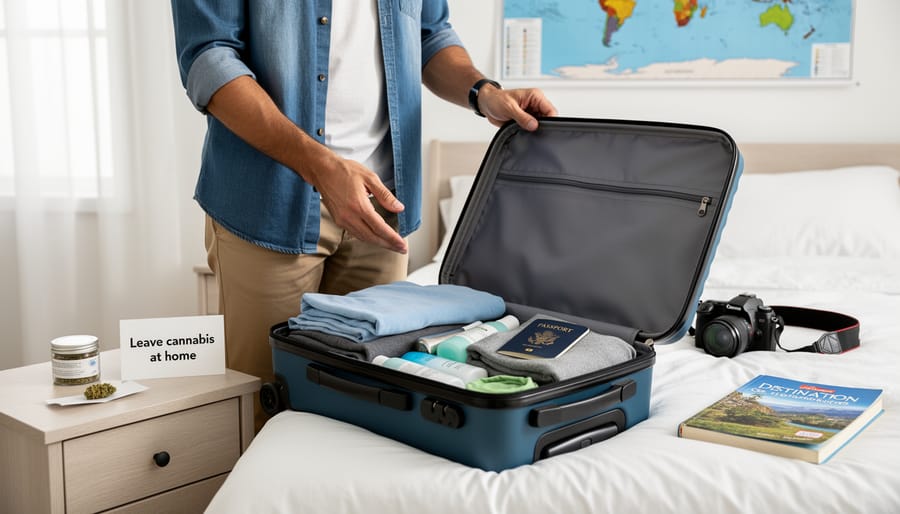
Before you board, empty every pocket, purse and luggage compartment. Canada’s border laws prohibit all cannabis, flower, edibles, oils, topicals, and all CBD products are covered under the same ban, from crossing into or out of the country, regardless of quantity or medical status. Even a forgotten gummy or vape cartridge can trigger serious consequences. Travel with zero cannabis in your possession.
Once you arrive in a province, purchase what you want from local retailers and enjoy it there. Consume or responsibly dispose of everything before you move on. Provincial boundaries aren’t international borders, but carrying cannabis between provinces on a train complicates enforcement and isn’t worth the risk. Treat each stop as a fresh start: buy local, experience local, leave with nothing. Your bags should be as clean leaving Canada as they were entering.
How to Know Your Cannabis Rail Tour Is Ready to Go
Print your train tickets or download them to your mobile app, then verify every confirmation email for accommodations and cannabis facility tours. Your cannabis rail tour is ready once you can answer yes to a single critical question: Is every booking secured, and is your luggage completely free of cannabis products?
Run through this final verification checklist the day before departure:
- Rail tickets confirmed and accessible (printed or saved in the VIA Rail or operator app)
- Accommodation reservations verified with confirmation numbers for each overnight stop
- Cannabis facility tour bookings confirmed, including dates, times, and any required identification
- Luggage inspected twice to ensure no cannabis, CBD, hemp-derived products, or cannabis topicals are present
- Valid government-issued ID packed and easily accessible
- Medical exemption documents from Health Canada, if applicable (issued for rare and exceptional circumstances only)
- Province-specific cannabis possession limits and rules reviewed for each destination on your itinerary
Double-check that you understand the absolute prohibition on transporting cannabis across provincial borders or out of Canada. Entering or leaving the country with cannabis is illegal no matter how much you have, and this includes all CBD and hemp-derived products. The only exceptions are market-approved prescription drugs like Epidiolex and Sativex under a travel class exemption, or an individual Health Canada exemption issued on a case-by-case basis for palliative care or other extraordinary medical needs.
Set a calendar reminder to check for regulation updates the week before you travel. Visit the Government of Canada’s cannabis travel page and your rail operator’s policy section to catch any last-minute changes. Contact facility tour operators directly if you have questions about what to bring or current COVID-19 protocols.
Your tour is truly ready when you’ve confirmed every detail, removed all cannabis from your bags, and you’re prepared to purchase and enjoy hemp-derived cannabis only at your destination stops, never on the train or at border crossings.
Insider Tips for an Unforgettable Hemp Cannabis and Rail Experience
Travel during shoulder seasons, late May through early June or September through early October, when train corridors reveal vivid wildflowers or autumn foliage, tourist crowds thin, and cannabis facility tours often have more availability for walk-ins or same-day bookings. The Canadian Rockies routes deliver breathtaking views during these windows, and you’ll encounter fewer scheduling conflicts when coordinating rail connections with tour reservations.
Book facility tours for mid-morning or early afternoon slots, giving you time to arrive by train, explore the tour, and still enjoy the destination town before evening. Many licensed facilities operate in smaller communities along rail lines, places like Smiths Falls in Ontario or smaller towns in British Columbia, where a half-day visit fits neatly between train arrivals and departures. Ask tour operators about transportation from the station; some offer shuttle pickups for groups.
Maximize your stops by researching local cannabis retailers near train stations in advance. Provincial rules vary, so familiarize yourself with each province’s purchasing limits and retail hours. Purchase only what you’ll consume during your stay in that province, and plan to finish or responsibly dispose of products before boarding your next train leg.
Respect local cannabis culture by asking questions during facility tours, supporting small producers, and consuming discreetly in designated areas only. Canadians appreciate informed, considerate travelers who engage thoughtfully with the industry rather than treating it as a novelty.
Pack a reusable water bottle, snacks, and a small daypack for facility tours and station layovers. Train stations in cannabis-friendly cities often sit within walking distance of parks, cafes, and cultural sites, so budget extra time to explore on foot between your rail journey and cannabis experiences. Treat each stop as an opportunity to immerse yourself in both the local landscape and the evolving cannabis tourism scene Canada offers.
Frequently Asked Questions About Cannabis Tourism and Train Travel in Canada
No, you cannot bring cannabis on the train if your journey crosses the Canadian border. Possessing any amount of cannabis, flower, edibles, oils, or CBD products, when entering or leaving Canada is illegal, even if you hold a valid medical prescription. The only exceptions are market-approved prescription drugs like Epidiolex or Sativex, which travel under a class exemption, or an individual exemption from Health Canada issued in rare, exceptional cases such as palliative care. For domestic rail travel within Canada, you can carry cannabis, but consumption on board is prohibited. Always consume or dispose of cannabis before crossing any international border.
Yes, you can take cannabis across provincial borders by train within Canada. Once purchased legally in one province, cannabis may be transported to another Canadian province for personal use, as long as you comply with possession limits (typically 30 grams of dried cannabis or equivalent in public). However, you cannot consume cannabis onboard the train, consumption is prohibited on VIA Rail and other operators. The critical restriction applies at the Canadian border: it remains illegal to take cannabis across the international border in any form, whether entering or leaving Canada, regardless of quantity. This includes all hemp-derived products containing CBD or THC. If your journey involves crossing into the U.S. or leaving Canada, you must consume or dispose of all cannabis products before departure.
Having a medical cannabis prescription doesn’t exempt you from Canada’s border laws. You cannot bring cannabis, even for medical purposes, across the Canadian border without an individual exemption from Health Canada, and these exemptions are issued only in rare and exceptional circumstances, such as palliative care cases. The process is case-by-case and far from guaranteed. There are two narrow exceptions: market-approved prescription drugs containing cannabis, like Epidiolex and Sativex, are permitted under a travel class exemption and can cross borders. For all other medical cannabis products, you’ll need to apply for an individual exemption well in advance, with no assurance of approval. The safest approach is to purchase cannabis from licensed retailers in the province where you’re touring and consume it there, leaving nothing in your possession when you board the train to your next destination or depart Canada.
Yes, cannabis facility tours are available in 2026. Canada’s Cannabis Regulations now formally include provisions for cannabis facility tours, allowing licensed producers to offer behind-the-scenes access to cultivation, production, and hemp-derived product manufacturing. These tours have become a recognized part of Canada’s cannabis tourism industry, giving visitors insight into how cannabis moves from seed to finished product. Availability varies by province and facility, so it’s essential to research and book in advance, tour slots are often limited and some operators require reservations weeks ahead of your planned visit.
No, you cannot bring CBD or hemp-derived products across the Canadian border. Canada’s border laws explicitly prohibit all cannabis products, including CBD oils, hemp extracts, edibles, topicals, and any item containing cannabinoids, regardless of THC content or legal status in your home country. This ban applies whether you’re entering or leaving Canada, and enforcement is strict.
The only exceptions are market-approved prescription drugs like Epidiolex or Sativex, which fall under a travel class exemption. All other cannabis for medical purposes requires a Health Canada exemption, granted only in rare, exceptional circumstances such as palliative care. Even if you have a prescription or medical card from another country, it doesn’t override Canada’s border prohibition. Leave all CBD and hemp-derived products at home and purchase what you need within Canada after you arrive.
Canada’s rail network offers an unparalleled way to experience the country’s emerging cannabis tourism industry while traveling through some of the world’s most breathtaking landscapes. From the Rocky Mountains to the Great Lakes, combining train travel with visits to licensed cannabis facilities creates a journey that’s as educational as it is scenic. This isn’t just about cannabis, it’s about discovering Canada’s innovation in both sustainable agriculture and world-class rail infrastructure.
Success hinges on understanding and respecting the regulations. Remember that cannabis cannot cross borders in any form, including CBD and hemp-derived products, and provincial boundaries require the same careful attention. Purchase and consume only where you tour, and leave nothing in your luggage when you move on. By planning thoughtfully, booking facility tours in advance, and embracing the responsibility that comes with legal cannabis, you’re setting yourself up for a truly unique Canadian adventure.
This journey rewards those who prepare well and travel mindfully. You’ll return home with stories of spectacular rail corridors, insights into Canada’s cannabis industry, and memories of a travel experience unlike any other.